
Doctor’s Weight Loss & Aesthetics of Wisconsin
Medical Weight Loss
in Wausau, WI
Medical weight loss in Wausau, Wisconsin, at Doctor’s Weight Loss & Aesthetics of Wisconsin pairs prescription treatment with nutrition coaching for lasting results.

Prescription Care With Oversight
Doctor-Supervised Weight Loss Treatment at Our Wausau Clinic
Our medical weight loss in Wausau program uses GLP-1 medication prescribed as part of a physician-supervised plan, with dosing tailored to each patient.
GLP-1 medication mimics a natural hormone your intestine releases after meals. It binds to GLP-1 receptors throughout the body, including the pancreas, stomach, liver, and brain.
Each meal triggers this hormone, and its effects reach several systems at once. In the pancreas, GLP-1 increases insulin release when blood sugar rises, helping bring glucose levels down. In the stomach, it slows emptying, so fullness lasts longer after eating. In the brain, it acts on the hypothalamus, the region responsible for hunger and satiety. By activating specific neurons there, GLP-1 can lower hunger, strengthen feelings of fullness, and reduce or eliminate cravings.
GLP-1 treatment has also been associated with improved insulin sensitivity, lower inflammation, and reduced fat in the liver. These changes support weight loss and broader improvements in metabolic health.
Your body also has a “set point,” the weight range it tends to return to. A structured treatment plan aims to help your body settle at a new, lower set point once you reach your goal.
Excess weight is a serious health concern linked to several leading causes of death, including heart disease, stroke, and type 2 diabetes. It is also associated with a higher risk of certain types of cancer.
For adults with obesity or overweight, losing 5% to 10% of body weight through diet and exercise has been associated with a reduced risk of cardiovascular disease.

Biology Over Willpower
Ending the Cycle of Diet After Diet
Many patients come to us after years of keto, paleo, meal plans, online programs, fasting, low-carb, and low-fat diets that never produced permanent results. Some have even had gastric band surgery and still struggled to keep the weight off.
Many packaged foods also contain additives that improve flavor and may contribute to weight gain or hormonal imbalances over time. High fructose corn syrup, artificial sweeteners, trans fats, monosodium glutamate, and BPA are among the most commonly cited.
Our team gives you the medical tools and guidance to break this cycle and reach your weight loss goals.
GLP-1 medication is indicated for chronic weight management in adults with a body mass index (BMI) of 30 kg/m² or greater. It is also indicated for adults with a BMI of 27 kg/m² or greater who have at least one weight-related condition, such as high blood pressure, type 2 diabetes, or high cholesterol.
A personal or family history of medullary thyroid carcinoma (MTC) or Multiple Endocrine Neoplasia syndrome type 2, a prior serious hypersensitivity reaction to GLP-1 medication, or a history of pancreatitis may disqualify you from treatment.
Hormone-Based Appetite Support
What Is GLP-1 Medication?
GLP-1 medications are GLP-1 receptor agonists modeled on a hormone made in the small intestine. This hormone stimulates insulin release and suppresses glucagon to help lower blood sugar. Studies show GLP-1 treatment can reduce appetite, improve control over eating, and lessen food cravings while also improving blood sugar control.
Dual-Hormone Treatment Option
Understanding GLP-1 and GIP Combination Treatment

-
How GLP-1 and GIP Differ From GLP-1 Alone
Learn MoreCombination treatment brings together two classes of medication: GIP and GLP-1 receptor agonists. Both act on incretin hormones the body releases after eating.
GIP and GLP-1 receptors are found in areas of the brain involved in appetite regulation. Combination treatment has been shown to reduce food intake and influence how the body uses fat.

-
What GLP-1 and GIP Do After Meals
View ServicesCombination treatment mimics the action of both hormones. It prompts the pancreas to release insulin after eating and signals the liver to reduce the glucose it releases into the blood.
Together, these effects help you feel fuller for longer, slow digestion, and support blood sugar control, all of which aid weight loss and long-term weight management.

-
How Much Weight Can I Lose With GLP-1 and GIP?
Meet Our TeamIn clinical trials, adults on the highest dose lost around 20% of their body weight on average.

-
Who Qualifies for GLP-1 and GIP Treatment?
Meet Our TeamA consultation with our team is the best way to review your health history and confirm eligibility.
A personal or family history of medullary thyroid carcinoma (MTC), Multiple Endocrine Neoplasia syndrome type 2, or pancreatitis may disqualify you from taking this medication.


Advances in Weight Care
A New Era in Medical Weight Treatment
On June 4, 2021, the FDA approved a once-weekly GLP-1 medication for chronic weight management in adults with a BMI of 30 kg/m² or greater, or 27 kg/m² or greater with at least one weight-related condition. That approval marked a major shift in how providers treat obesity.
For many patients, the biggest change is relief from the hunger pangs that once pulled them off their diet and back toward weight gain. As the weight comes down, energy and confidence often improve, and daily life starts to feel more manageable. Results vary from person to person, and your provider will set clear expectations at your first visit.
Clinical Trials Show Encouraging Results
In the clinical trials reviewed for FDA approval, adults on weekly GLP-1 treatment lost about 15% of their body weight on average.
Patient Progress
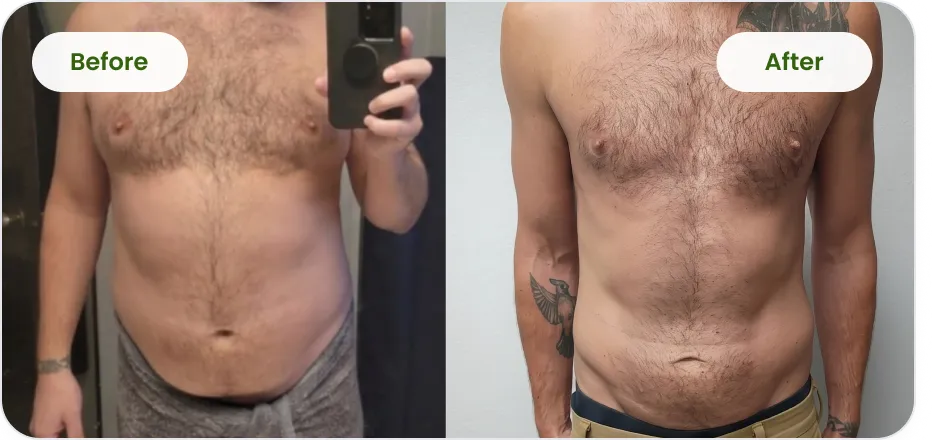
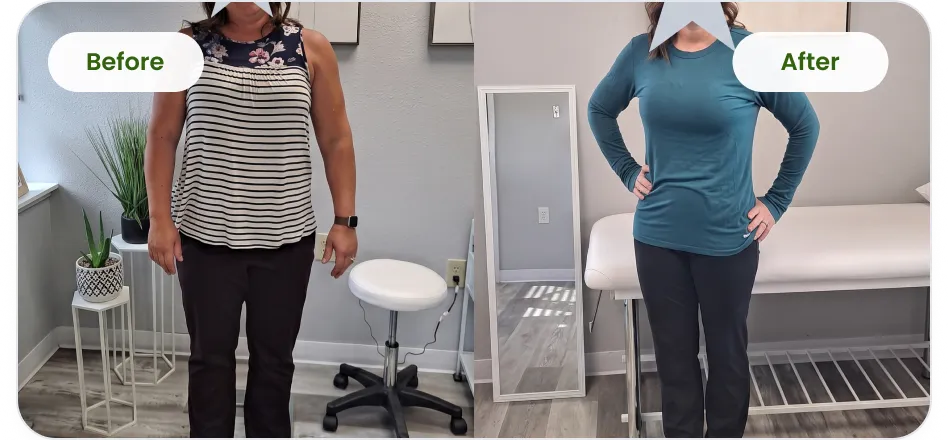
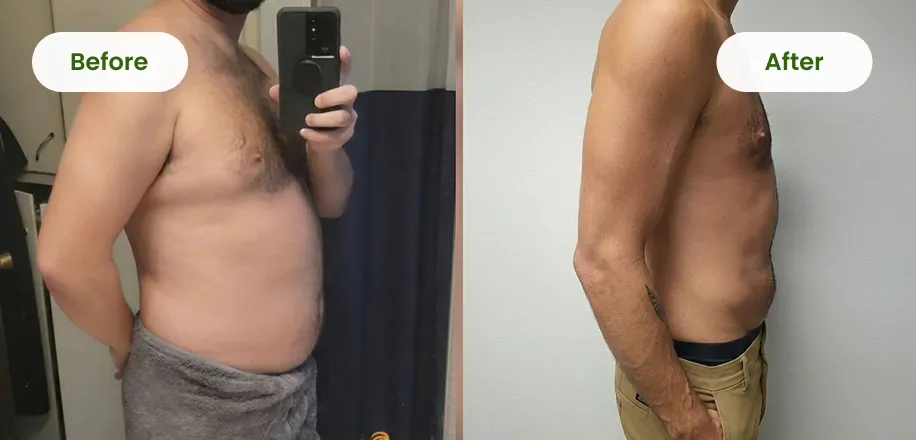
Before-and-After Results From Our Wausau Patients
Health Beyond the Scale
Health Improvements Patients May Notice After Weight Loss
- Feeling better and looking better
- Improvement in certain weight-related conditions
- Better emotional health, mental clarity, and mood
- Lower blood pressure
- Lower triglycerides
- Reduced risk of heart disease
- Improved insulin resistance
- Lower risk of several obesity-related cancers
- Reduced need for some prescription medications
- More energy
- Lower inflammation levels
- Improved mobility and reduced joint pain
- Higher self-esteem
- Healthier eating habits
- Improved sexual health
- Fewer headaches
- Healthier hormone balance
- Improved skin health
- Better sleep

Program Essentials
What Our Medical Weight Loss Program Includes
Every patient receives the same five core elements, and your provider shapes the details around your health profile and pace of progress.
Initial medical evaluation
A review of your history, medications, and prior attempts.
Prescription treatment when appropriate
GLP-1 or GLP-1/GIP options matched to your eligibility.
Nutrition coaching
Protein-focused guidance supporting fullness and lean muscle.
Scheduled follow-up visits
Regular check-ins to review your progress and dosing.
Maintenance planning
A clear strategy for holding results after your goal.
You can pick up medication at our Rib Mountain Drive clinic. When appropriate, we can also ship it to you anywhere in Wisconsin.
Your Treatment Timeline
What to Expect in Your First Months of Treatment
Timelines differ from patient to patient. Most plans follow a similar pattern of gradual dose increases and regular progress reviews, outlined below.
| Treatment Phase | What Typically Happens |
|---|---|
| Weeks 1 to 4 | Low starting dose, early appetite changes, and possible mild nausea |
| Months 2 to 3 | Gradual dose increases and more noticeable weight changes |
| Months 4 to 6 | Continued progress, nutrition refinement, and regular reviews |
| Goal weight and beyond | Maintenance planning, dose review, and ongoing coaching |
Your provider adjusts this timeline based on how your body responds, any side effects you experience, and the goals you set together.
Measured Progress
How Your Provider Tracks Progress at Each Visit
Physician-guided weight loss in Wausau, WI, depends on regular measurements so every change to your plan has clear data behind it. The table below shows what your provider reviews at follow-ups and how each marker shapes your treatment.
| What We Review | How It Guides Your Plan |
|---|---|
| Weight and waist measurement | Confirms fat loss and sets your next target |
| Appetite and cravings | Shows whether your current dose is effective |
| Side effects | Guides the timing of any dose increase |
| Blood pressure | Tracks improvements in heart health |
| Protein and nutrition habits | Helps protect lean muscle as weight comes off |
Reviewing these markers together lets your provider make small, timely adjustments before progress stalls.

Safety First
Managing Side Effects During Medical Weight Loss
Digestive symptoms are the most common side effects of GLP-1 and GLP-1/GIP treatment. Nausea, constipation, diarrhea, and reduced appetite usually appear in the first weeks or shortly after a dose increase, and they often ease as your body adjusts.
Smaller portions help, and so does stopping at the first sign of fullness. Greasy and heavy meals tend to make nausea worse, so many patients limit them early in treatment. Drinking water steadily through the day also supports comfort and digestion.
Contact your provider right away if you have severe or persistent abdominal pain, ongoing vomiting, signs of dehydration, or a lump or swelling in your neck.

Long-Term Results
Medical Weight Management After You Reach Your Goal
Patients who reach their goal weight move into a maintenance phase, and our approach to medical weight management in Wausau, WI, keeps support in place throughout it. Depending on your progress, your provider may lower your dose, taper treatment gradually, or continue nutrition coaching for several more months.
Strength training and adequate protein help preserve lean muscle, which supports a healthier metabolism at your new weight. Continued check-ins let your provider respond quickly if weight starts to return. Patients who want to refine stubborn areas can also explore body contouring once their weight has stabilized.
Trusted Local Care
What Sets Our Program Apart in Wausau, Wisconsin
Doctor’s Weight Loss & Aesthetics of Wisconsin treats patients from Wausau, Schofield, Rothschild, Kronenwetter, and communities across the state from our clinic on Rib Mountain Drive.
- Individualized prescription plans: Treatment and dosing matched to your health profile.
- In-person or virtual visits: Consultations at our clinic or online statewide.
- Clear, honest expectations: Eligibility and realistic results discussed at every visit.
- Flexible payment options: Financing available through Cherry and CareCredit.
Explore Connected Care
Related Treatments for Your Weight Loss Plan
These services connect closely with medical weight loss and cover each stage of care in more detail.
Common Concerns
Frequently Asked Questions
 How long does medical weight loss in Wausau take to show results?
Many patients notice changes in appetite within the first few weeks of treatment. Weight loss builds gradually over several months, and your provider sets realistic milestones during your first consultation.
 Is a medical weight loss program different from a commercial diet plan?
A medical program begins with a provider evaluation and may include prescription treatment, regular monitoring, and dose adjustments. Commercial diet plans typically focus on meals or calorie targets alone, without medical oversight.
 Do I have to stay on medication permanently?
Treatment length depends on your goals and how your body responds. Some patients taper off gradually after reaching their goal weight, and others continue on a lower maintenance dose with their provider’s guidance.
 What should I bring to my first appointment?
Please bring a list of your current medications and supplements, any recent lab results, and notes on past weight loss attempts. This information helps your provider create a safe, accurate plan from the start.